The Importance of Rebalancing Your Portfolio During Market Corrections
Market corrections—typically defined as a drop of 10% or more—can feel alarming, especially for newer investors. It’s natural to worry when you see your portfolio lose value or when negative headlines dominate the news. However, these moments aren’t just periods to endure—they can actually be important opportunities to strengthen your investment strategy through a process called portfolio rebalancing.
What Is Portfolio Rebalancing?
Rebalancing simply means adjusting your investments to bring them back in line with your original plan. For example, you might have decided to keep 70% of your money in stocks and 30% in bonds. Over time, and especially during a market correction, those percentages can shift.
Stocks may fall faster than bonds, leaving your portfolio more heavily weighted toward safer assets. While that might feel comforting in the moment, it can also mean you’re not positioned for growth when the market recovers. Rebalancing helps restore that balance, so your investments continue to match your long-term goals.
Why Rebalancing Matters in a Down Market
One of the biggest benefits of rebalancing during a downturn is that it encourages a smart but often difficult habit: buying low and selling high. Instead of reacting emotionally, you’re following a plan.
You might sell a small portion of investments that didn’t drop as much and use that money to buy assets—like stocks—that are now cheaper. For many people, it’s hard to invest when markets are falling, but rebalancing makes this process more automatic and less driven by fear.
Emotions can be one of the biggest challenges during market corrections. It’s common for investors to panic and sell when prices are low or, on the other hand, to feel overwhelmed and avoid making any decisions at all. Both reactions can hurt long-term results.
Having a clear rebalancing strategy—whether you check your portfolio a few times a year or act when your allocations shift by a certain amount—can help you stay consistent and avoid emotional decisions.
Staying Positioned for Market Recovery
Rebalancing also helps you stay prepared for when the market recovers. Historically, markets do bounce back, but the recovery can happen quickly and unevenly. If you’ve shifted too much into cash or safer investments, you might miss out on those early gains. Keeping your portfolio balanced ensures you still have exposure to areas that can grow when conditions improve.
Another important benefit is maintaining diversification, which means spreading your investments across different types of assets. During a correction, some sectors or regions may fall more than others. Without rebalancing, your portfolio can become too concentrated in one area, increasing risk. Rebalancing helps keep things spread out, which can make your portfolio more stable over time.
That said, rebalancing should be done thoughtfully. In some cases, selling investments can lead to taxes, and frequent trading may come with costs. It’s also important to make sure your original investment plan still makes sense for your current goals—there’s no benefit in sticking to a strategy that no longer fits your needs.
How and When to Rebalance Your Portfolio
There are a few common ways to rebalance. Some people do it on a schedule, such as once or twice a year. Others only rebalance when their portfolio drifts too far from its target, like when stocks move more than 5–10% away from their intended allocation. A combination of both approaches can also work well.
Rebalancing vs. No Rebalancing: A Clear Recovery Advantage
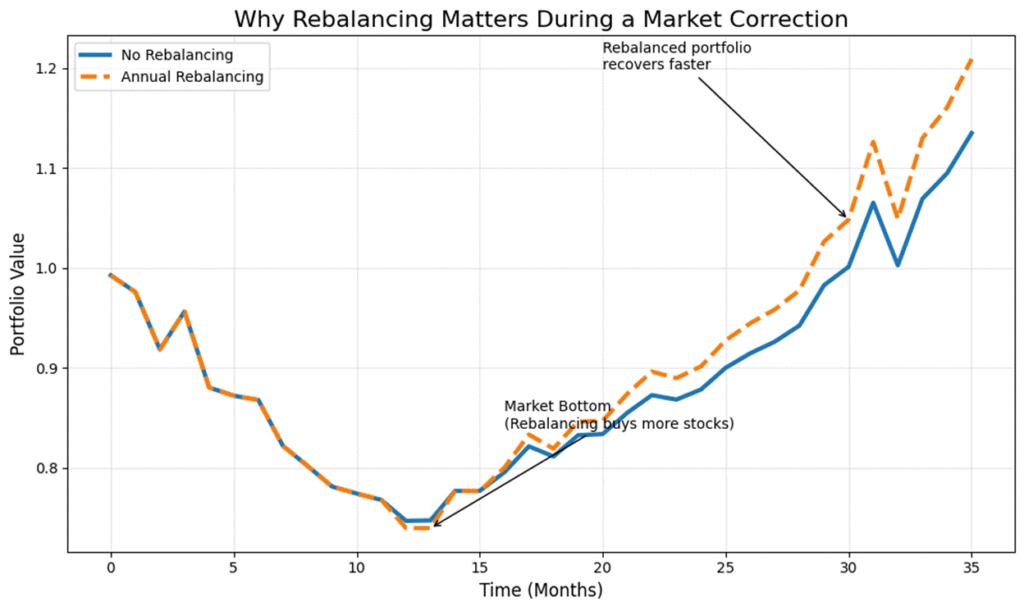
The chart below compares a portfolio that is not rebalanced with one that is rebalanced annually during a market correction and recovery. While both portfolios decline initially, the rebalanced portfolio begins to recover more quickly after the market bottom, as it systematically buys more stocks at lower prices.
Over time, this disciplined approach leads to stronger overall growth, highlighting how rebalancing can improve long-term performance and keep investors aligned with their target asset allocation.[1]
Final Thoughts: Turning Market Corrections Into Opportunity
In the end, market corrections are a normal part of long-term investing. While they can be uncomfortable, they don’t have to be purely negative. By rebalancing your portfolio during these periods, you can stay aligned with your goals, manage risk, and position yourself for future growth—turning short-term uncertainty into a long-term advantage.