Healthcare Planning by Age: What to Know in Your 30s, 40s, 50s, and Beyond
Healthcare is one of the few expenses that people often fail to plan for. Healthcare costs are rising, insurance options are becoming more complex, and a medical emergency can quickly create financial stress for you and your family. No matter your profession or income level, having a healthcare financial plan is an important part of long-term financial wellness.
The good news is that healthcare planning does not require specialized knowledge or a high income. What it does require is awareness to understand how your needs change over time and make practical decisions along the way. By being aware of how healthcare needs evolve through each stage of life, you can make smarter decisions about your health care.
Here is a practical guide to healthcare planning in your 30s, 40s, 50s, and beyond.
Your 30s: Start Simple, Start Early
In your 30s, health care often feels like a low priority. Many people are relatively healthy, and doctor visits are occasional. That can make it tempting to pick the cheapest insurance plan and move on. But this decade is where good habits begin.
If you have access to employer health insurance, take a few minutes to understand what you are getting. A lower monthly premium might mean higher out-of-pocket costs later; a higher premium might offer better coverage if something unexpected happens.
If you are enrolled in a high-deductible health plan, you may also have access to a Health Savings Account (HSA). An HSA allows you to set aside money on a pre-tax basis to pay for qualified medical expenses. Even small contributions can build up over time and help cover future medical costs.
Another often-overlooked aspect of healthcare planning is income protection. An injury or illness that prevents you from working—even for a short period—can create a greater financial burden than the medical expenses themselves. Many employers offer short-term or long-term disability insurance as part of their benefits package. This is worth considering for your long-term financial plan.
Preventive care is equally important. Regular checkups, routine screenings, and proactively managing your health today can help reduce the risk of more serious—and more costly—health issues in the future.
Your 40s: Review Coverage and Budget
By your 40s, life tends to get busier—and more complicated. Many people are raising children, managing mortgages, and dealing with increased responsibilities at work. Healthcare planning becomes less about yourself and more about your household.
If you have a family, review your coverage with their needs in mind. Does your plan include your preferred doctors? Are prescriptions covered? What happens if someone needs a specialist?
This is also a good time to start budgeting more intentionally for health care. Costs like deductibles, copays, dental work, and vision care can add up quickly, even with insurance.
Your 40s are often when chronic health conditions such as high blood pressure, high cholesterol, and stress-related issues begin to emerge. Prioritize preventive healthcare, early detection, and regular medical screenings during this stage of life to improve long-term health outcomes and help reduce future healthcare costs.
For many, mental health may also become part of overall healthcare planning. Access to mental health services such as counseling, therapy, and stress management support—and understanding what is covered by your health insurance plan—can play a key role in both emotional well-being and long-term health management.
Your 50s: Prepare for What is Ahead
In your 50s, healthcare planning becomes even more important as medical needs and healthcare expenses often begin to increase. Even individuals who have been relatively healthy may find themselves needing more frequent medical care, preventive screenings, specialist visits, and ongoing health management.
This is a good time to take a closer look at your savings and ask a simple question: Am I prepared for higher healthcare costs in the future?
If you have access to an HSA or retirement account, this is often a key decade to increase contributions. Even modest increases can make a difference over time.
This is also a good time to plan for long-term care needs later in life. Long-term care refers to future assistance with daily activities such as bathing, dressing, mobility, or independent living that may become necessary as people age. Some people explore long-term care insurance, while others choose to build additional savings into their retirement and healthcare planning strategies.
If you are considering early retirement, healthcare expenses become an even more important factor in your overall financial planning. You will need to plan for how you will pay for health insurance and medical care between retirement and age 65, when Medicare eligibility begins. There are options like COBRA, private health insurance, or Marketplace plans to cover this gap. However, costs and coverage can vary widely, so it is important to plan ahead and do your research.
Most importantly, your health itself becomes a financial asset. Staying active, managing weight, and keeping up with medical care can help reduce future expenses and improve quality of life.
60s and Beyond: Make Coverage Work for You
Once you reach your 60s, healthcare planning shifts from preparation to management.
One of the biggest milestones is enrolling in Medicare. While it provides a strong foundation, it does not cover everything. There are still premiums, deductibles, and services that may require additional coverage.
Many people choose either a Medicare Advantage plan or a supplemental Medigap policy to help fill those gaps. The right choice depends on your needs, budget, and preferred doctors.
At this stage, health care becomes part of your monthly expenses. It is important to factor it into your overall financial picture—along with housing, food, and other essentials.
Another consideration is prescription drug coverage. Medication costs can vary widely and reviewing your plan each year can help ensure you are getting the best value.
Long-term care planning also becomes increasingly important at this age. Whether you prefer to age at home, rely on family support, or consider assisted living, understanding your care preferences and the potential costs can help you make more informed decisions in the future.
Key challenges
• Rising costs of insurance and care
• Increasing complexity in plan choices
• Difficulty accessing timely care in some areas
• Unexpected out-of-pocket expenses
Practical tips for any age
• Review your coverage annually
• Build a healthcare emergency cushion
• Use preventive care services
• Ask questions about bills and treatment options
• Invest in your health through lifestyle choices
The Bottom Line
Healthcare planning is important for everyone, not just retirees or high-income earners. It is a key part of long-term financial and health planning at every stage of life.
The goal is not to anticipate every possible medical expense, but to stay informed, make proactive decisions, and adjust your healthcare coverage and financial plan as your needs change.
By taking a consistent, practical approach throughout each decade of life, you can help reduce unexpected costs, improve financial preparedness for healthcare expenses, and focus on what matters most—maintaining your health and quality of life.
Estimated Average Personal Healthcare Spending Per Person (2026)
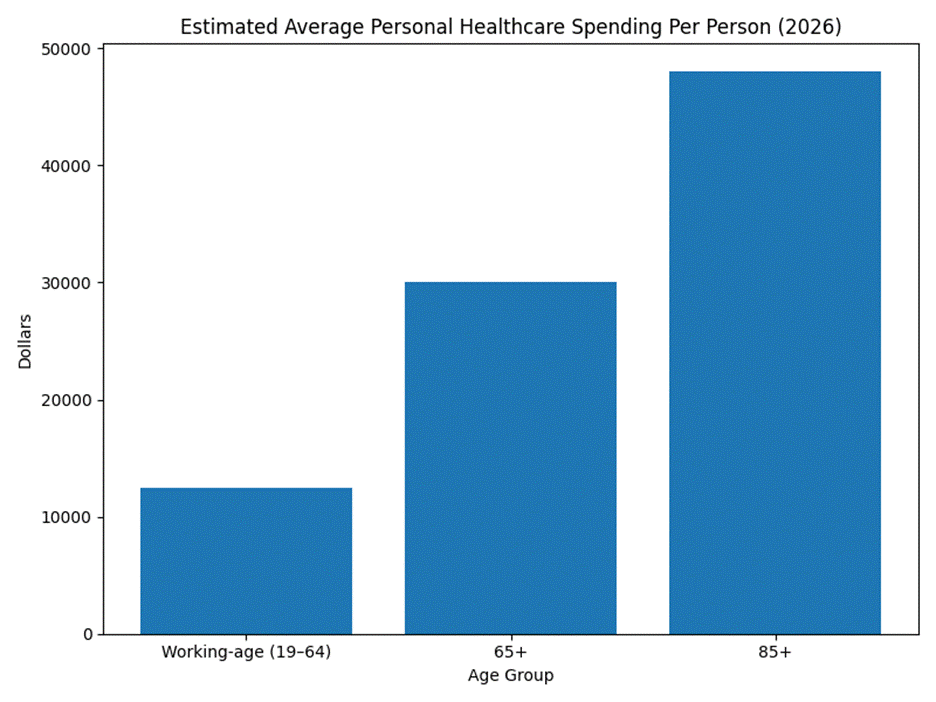
How to read this chart:
This graph is based on healthcare spending data by age group from the Centers for Medicare & Medicaid Services (CMS). It also incorporates current healthcare cost trends to estimate projected spending levels for 2026. Most individuals in their 30s, 40s, and 50s fall into the working-age adult category (ages 19–64), which typically has the lowest average healthcare spending per person.
Average spending increases significantly for adults age 65 and older, and rises even further for those over age 85. This reflects more prominent use of medical services, prescription medications, and long-term care.
The takeaway for this article is straightforward: Even if healthcare feels manageable earlier in adult life, costs tend to rise sharply over time. That is why planning for health care in every decade is an important part of long-term financial stability.
Source:
Centers for Medicare & Medicaid Services (CMS) National Health Expenditure Data (2020 baseline), adjusted to 2026 using projected healthcare cost trends from CMS and industry reports.
Editorial note:
CMS publishes age-specific spending estimates in broad age bands rather than by decade. This chart reflects those categories with forward-looking estimates for illustrative purposes.